
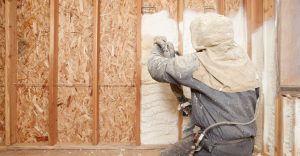
How to Know Which Is Better for Your Needs: Spray Foam vs. Fiberglass Insulation
Choosing the right insulation for your home or business can feel overwhelming. If you’re deciding between spray foam insulation and fiberglass insulation, the best option depends on your budget, building type, and long-term goals.
Both insulation types have advantages — but they perform very differently. Understanding those differences will help you make a confident, cost-effective decision.
Understanding Spray Foam Insulation
Spray foam insulation is applied as a liquid that expands and hardens, sealing gaps, cracks, and hard-to-reach areas. It’s commonly used in attics, walls, crawl spaces, and metal buildings.
Benefits of Spray Foam Insulation
- Superior air sealing that reduces drafts
- High energy efficiency and lower utility bills
- Moisture and mold resistance
- Long lifespan with minimal maintenance
Spray foam is ideal for homeowners who want maximum efficiency, comfort, and long-term performance.
👉 Learn more about this option on our
Spray Foam Insulation Page
Understanding Fiberglass Insulation
Fiberglass insulation is one of the most common and affordable insulation materials. It’s typically installed as batts or blown-in material and works by trapping air between fibers.
Benefits of Fiberglass Insulation
- Lower upfront cost
- Quick and easy installation
- Effective when properly installed
- Suitable for many residential applications
Fiberglass insulation is a good option when budget is a primary concern or when insulating open wall cavities during new construction.
👉 See our full insulation solutions on the
Home Page
Which Insulation Is Better for Your Needs?
The right choice depends on what matters most to you:
Choose Spray Foam If:
- You want the best energy efficiency
- Your home has air leaks or moisture issues
- You plan to stay in your home long-term
- You want to reduce heating and cooling costs
Choose Fiberglass If:
- You’re working with a limited budget
- The space is easy to access
- You’re insulating new construction or open walls
- Energy efficiency improvements are moderate, not extreme
In many cases, homeowners use both — spray foam in critical air-leak areas and fiberglass in less sensitive spaces.
👉 Learn how insulation improves performance in our
Energy Efficiency Blog
Frequently Asked Questions
❓ Which insulation lasts longer?
Spray foam insulation can last 30+ years without settling. Fiberglass may need replacement or adjustment over time if it shifts or compresses.
❓ Is spray foam worth the higher cost?
Yes, for many homeowners. The energy savings, comfort improvements, and moisture control often offset the higher upfront investment.
❓ Can fiberglass insulation get moldy?
Fiberglass itself doesn’t mold, but it can trap moisture — which may lead to mold growth on surrounding materials if not properly installed.
Need Help Choosing the Right Insulation?
If you’re unsure whether spray foam or fiberglass insulation is better for your needs, Pro-Insulations can help. We evaluate your structure, climate, and goals to recommend the most effective solution.
📍 Contact Pro-Insulations
Phone: (256) 790-9771
Address: 927 Lee Road 268, Valley, AL 36854
Service Areas: East Alabama & West Georgia
👉 Visit our Contact Page to schedule a consultation or request a free estimate.